Lymphatic Therapy
Specialized Care for Lymphadema, swelling and Lymphatic health.
As a Certified Dr. Vodder Therapist (Levels 1, 2 & 3), I provide individualized lymphatic therapy using Manual Lymph Drainage (MLD) and, when indicated, Combined Decongestive Therapy (CDT). Treatment is tailored to your individual needs, condition and stage of care.
Understanding Lymphatic therapy
What is Manual Lymph Drainage?
Manual Lymph Drainage (MLD) is a gentle, specialized hands-on technique designed to support the movement of lymphatic fluid through the body.
Developed by Dr. Emil Vodder and Estrid Vodder, the method uses precise, rhythmic movements applied to the skin to encourage lymphatic flow and support fluid movement through functioning lymphatic pathways.
The Vodder method is grounded in lymphatic anatomy and physiology. Research using near-infrared fluorescence imaging has demonstrated measurable increases in lymphatic propulsion following Manual Lymph Drainage, providing visual evidence of the lymphatic system's response to treatment.
MLD may be used to support the management of lymphedema and other forms of swelling, including swelling associated with surgery, injury, or changes to the lymphatic system following cancer treatment.
Dr. Vodder Manual Lymph Drainage is not Brazilian lymphatic drainage or body-contouring massage. It is a clinically oriented approach based on lymphatic anatomy and physiology and requires specialized training.
For lymphedema, MLD may form one part of a more comprehensive treatment approach.
When Lymphedema Requires More Than MLD
Combined Decongestive Therapy (CDT)
When the lymphatic system has been compromised, Manual Lymph Drainage may be one component of a more comprehensive approach known as Combined Decongestive Therapy (CDT).
Combined Decongestive Therapy (CDT) combines several components:
Manual Lymph Drainage (MLD) — Specialized gentle techniques used to support lymphatic drainage.
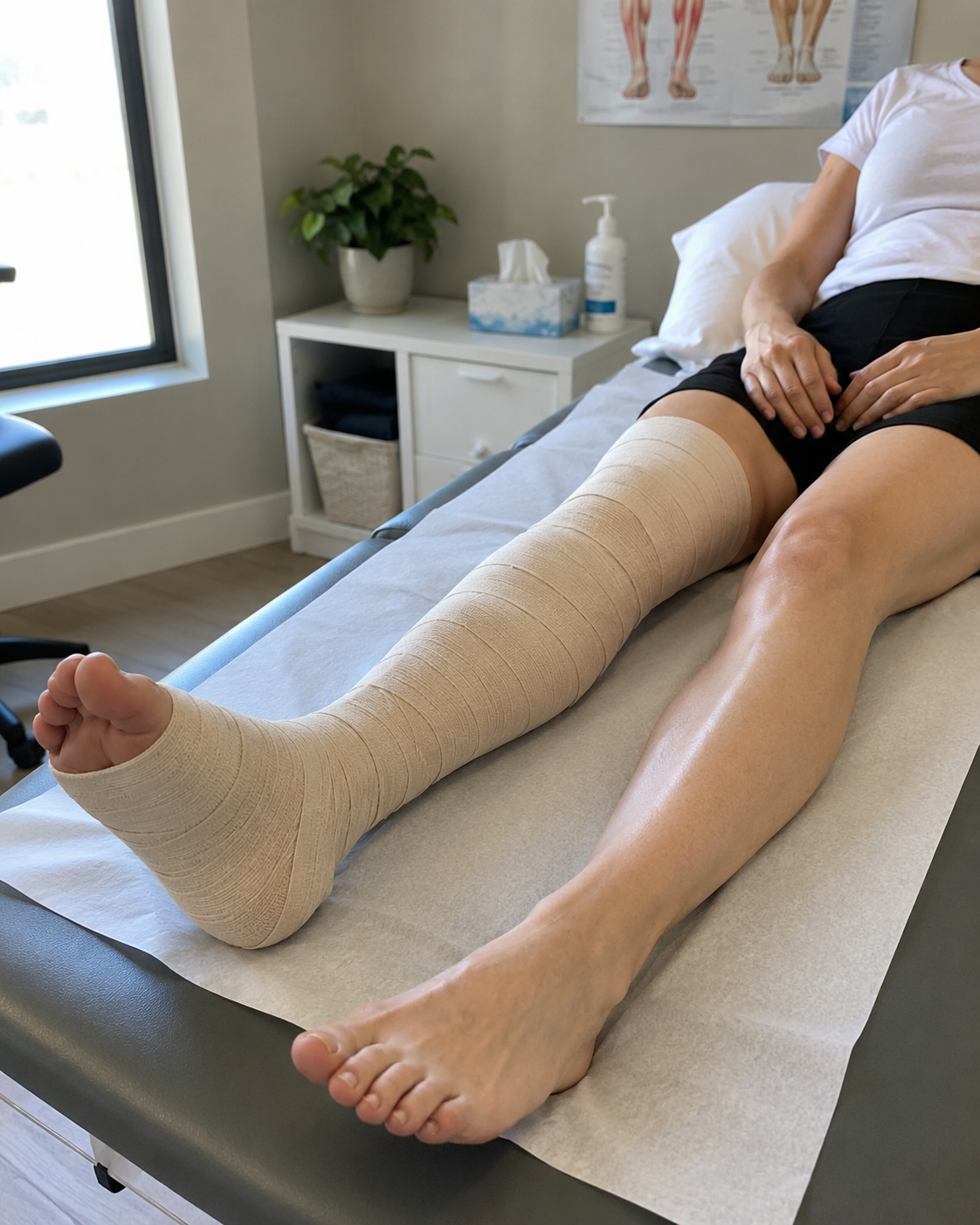
Compression & Bandaging — During the intensive (reduction) phase of CDT, specialized multilayer compression bandaging may be used to reduce swelling. Once reduction is achieved, compression garments are typically used to help maintain the results.
Therapeutic Exercise — Specific movement and exercises that support muscle and joint pumps and lymphatic flow.
Skin Care — Protecting and maintaining the skin to help reduce the risk of infection and complications.
Education & Self-Management — Learning strategies to manage lymphedema and maintain treatment results over the long term.
Could Lymphatic Therapy Help You?
Lymphatic therapy may be considered for people experiencing:
Lymphedema
Specialized lymphatic therapy can help manage swelling, soften congested or fibrotic tissues and support better movement and comfort. Treatment may also include compression, exercise, skin care and education to help you manage lymphedema more effectively over time.
Venous & Lymphatic Swelling
When chronic venous insufficiency begins to overwhelm the lymphatic system, swelling can become persistent and more difficult to manage. Lymphatic therapy may help encourage fluid movement, reduce congestion and support the management of phlebolymphedema alongside appropriate compression and medical care.
Cancer-Related Lymphatic Changes
Surgery, lymph-node removal and radiation can alter lymphatic drainage and contribute to swelling, tissue tightness and fibrosis. Lymphatic therapy can help manage these changes, support tissue mobility and provide strategies for reducing the impact of swelling on daily life.
Lipo-lymphedema
When lipedema is accompanied by lymphatic insufficiency, additional fluid can accumulate in the tissues. Lymphatic therapy may help manage this swelling, reduce feelings of heaviness and congestion and support overall comfort and mobility.
Pre-Surgical Support
MLD before surgery may help optimize lymphatic flow, reduce existing congestion and prepare the tissues for recovery. Research suggests that supporting lymphatic function around the time of surgery may help reduce post-operative swelling and support a smoother recovery process. Beginning treatment beforehand also establishes a baseline, making post-surgical changes easier to identify and treatment more individualized.
Post-Surgical Swelling
After surgery, the lymphatic system plays an important role in clearing excess fluid and supporting tissue recovery. When medically appropriate, MLD may help reduce swelling and congestion, improve comfort and support mobility as healing progresses.
Swelling Following Injury
Injury and trauma can lead to localized swelling as part of the normal healing response. In appropriate cases, lymphatic therapy may help encourage the movement of excess fluid, reduce lingering congestion and support comfortable movement during recovery.
Post-Concussion Support
Emerging research is exploring the role of the brain’s glymphatic and meningeal lymphatic systems following concussion and traumatic brain injury. Gentle lymphatic techniques may be used as supportive care after appropriate medical assessment, particularly for persistent symptoms and fluid regulation. Research in this area is still developing.
What to expect at your first consultation
Your First Consultation
The initial consultation includes a comprehensive assessment to understand your individual needs and develop an appropriate treatment plan. When an intensive reduction phase is indicated, this appointment also allows for planning and obtaining the necessary bandaging and compression supplies before treatment begins.
Treatment is individualized according to the person's condition, needs and stage of care, with the goal of reducing swelling and supporting long-term management.
Certified Dr. Vodder Therapist — Levels 1, 2 & 3
Trained in Manual Lymph Drainage and Complete Decongestive Therapy.